ClikaRT Makes Its Public Debut at the Korea Defense Tech Hackathon
Opening
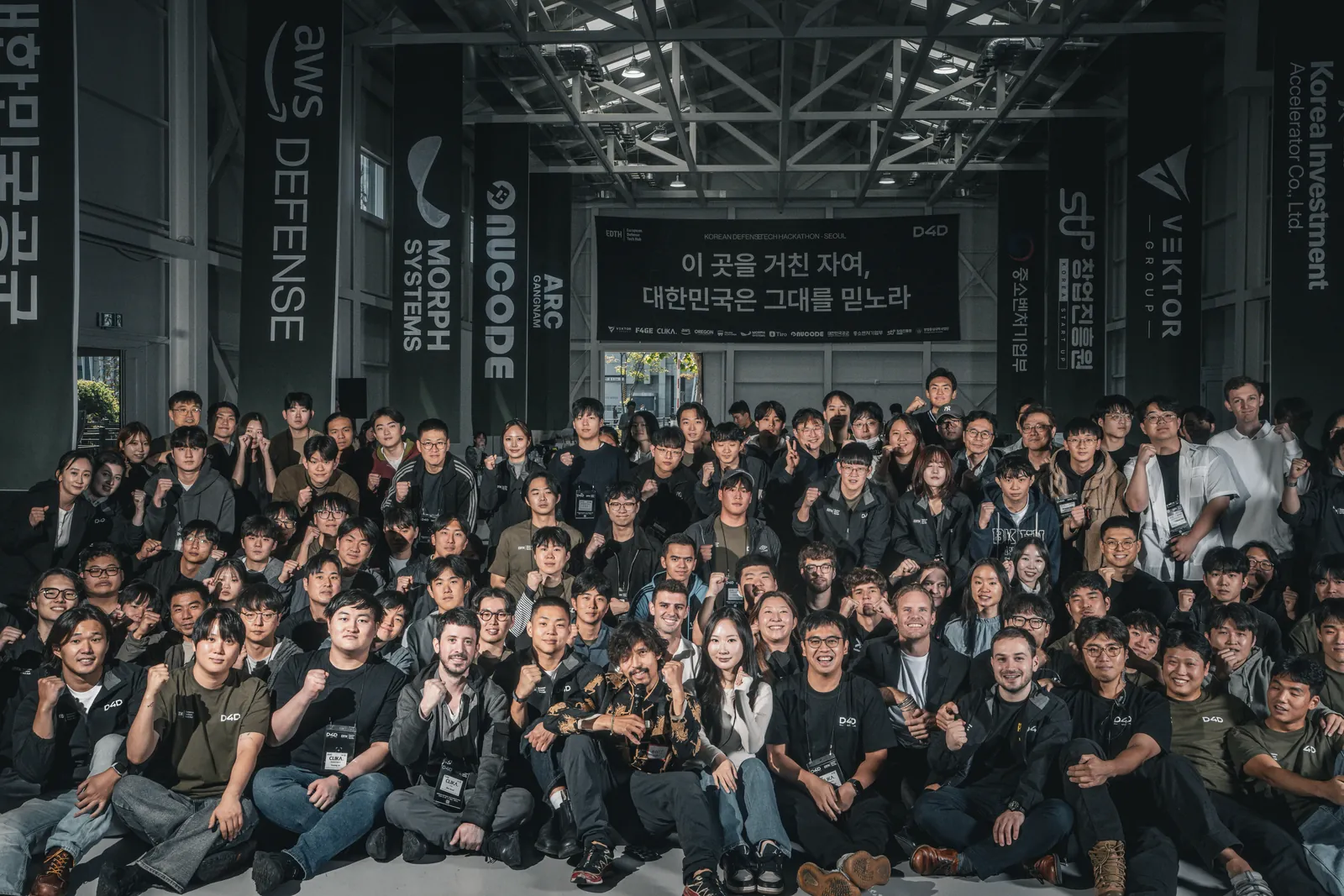
Last month, ClikaRT met the public for the first time. At the Korea Defense Tech Hackathon, held in Seoul on October 9–11, 2026, and co-hosted by D4D and European Defense Tech Hub, more than 200 builders spent 24 hours building defense tech that has to work where networks don’t. CLIKA was the main sponsor, and we came with a simple claim: bring whatever device you own, and your AI will run on it.
What we ran
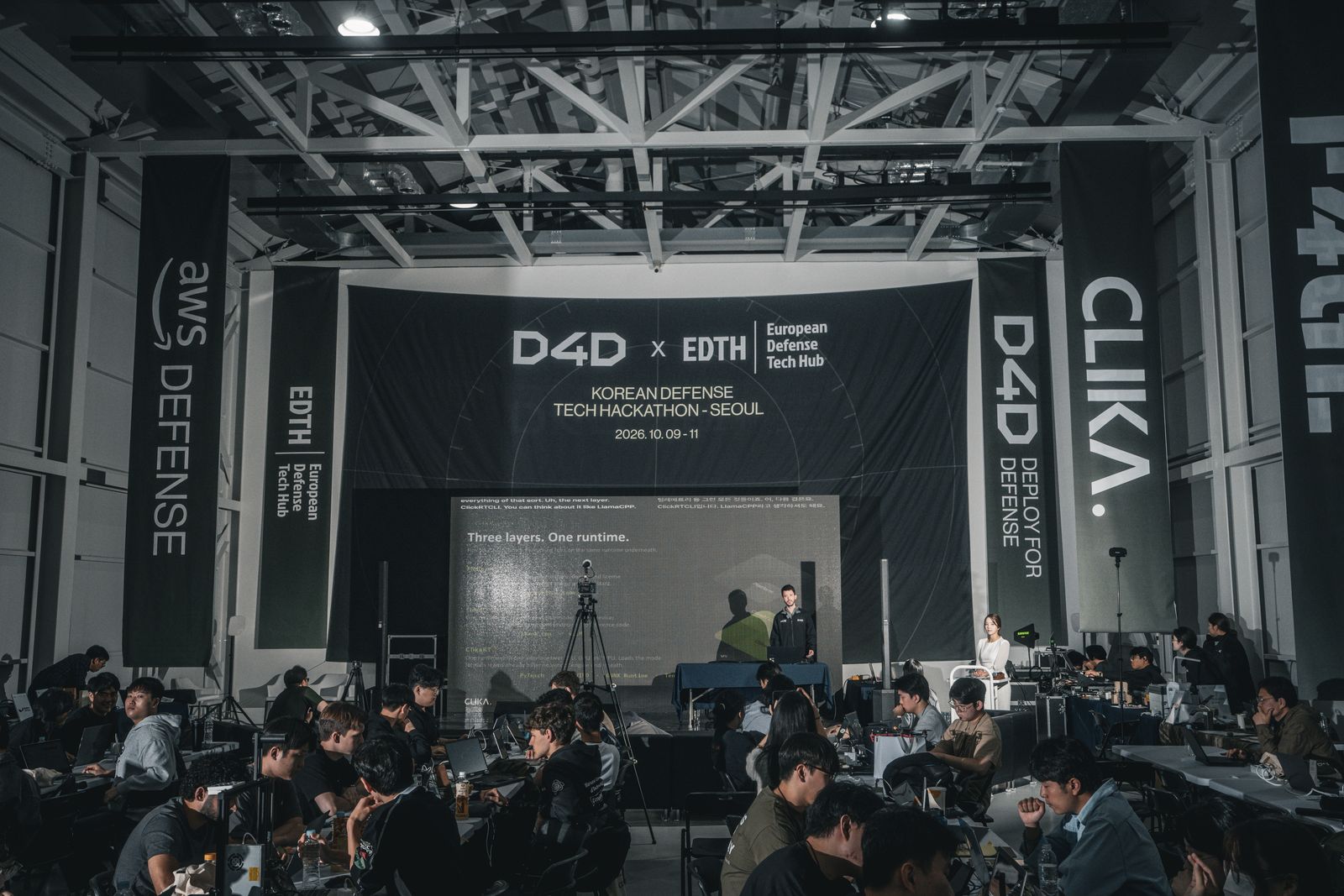
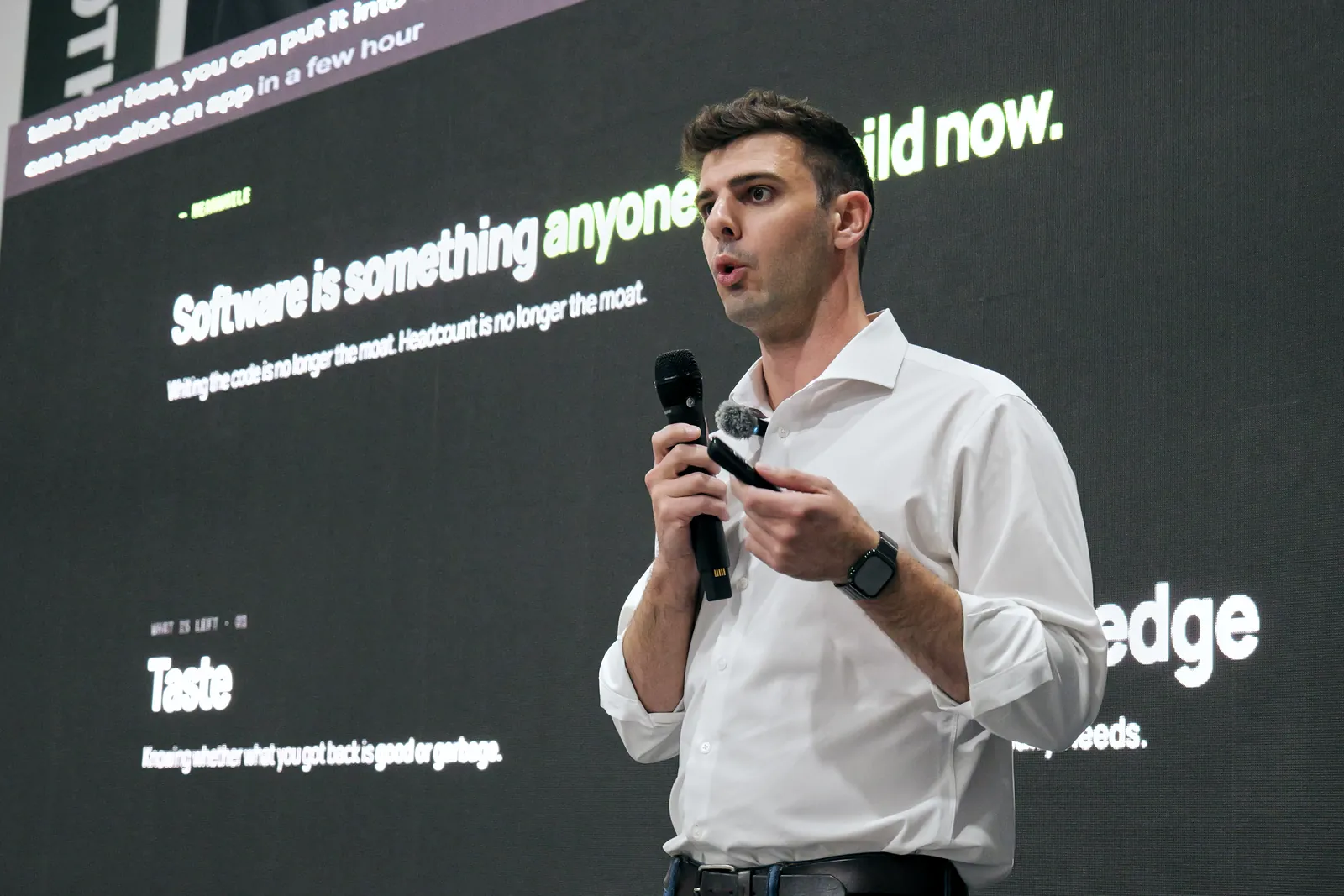
Our footprint at the event was three things. Corbin opened Friday’s Defense Builders Night with a talk titled “Speed is the weapon.” On Saturday morning we gave a hands-on platform session: register a device, pick models, benchmark, deploy, then cut the network and watch the app keep working. And across all tracks we ran the CLIKA Special Challenge: deploy an open-source model with ClikaRT on your own device, demo it with the network off, and earn bonus points for running the same app on two or more device types.


What came through the door
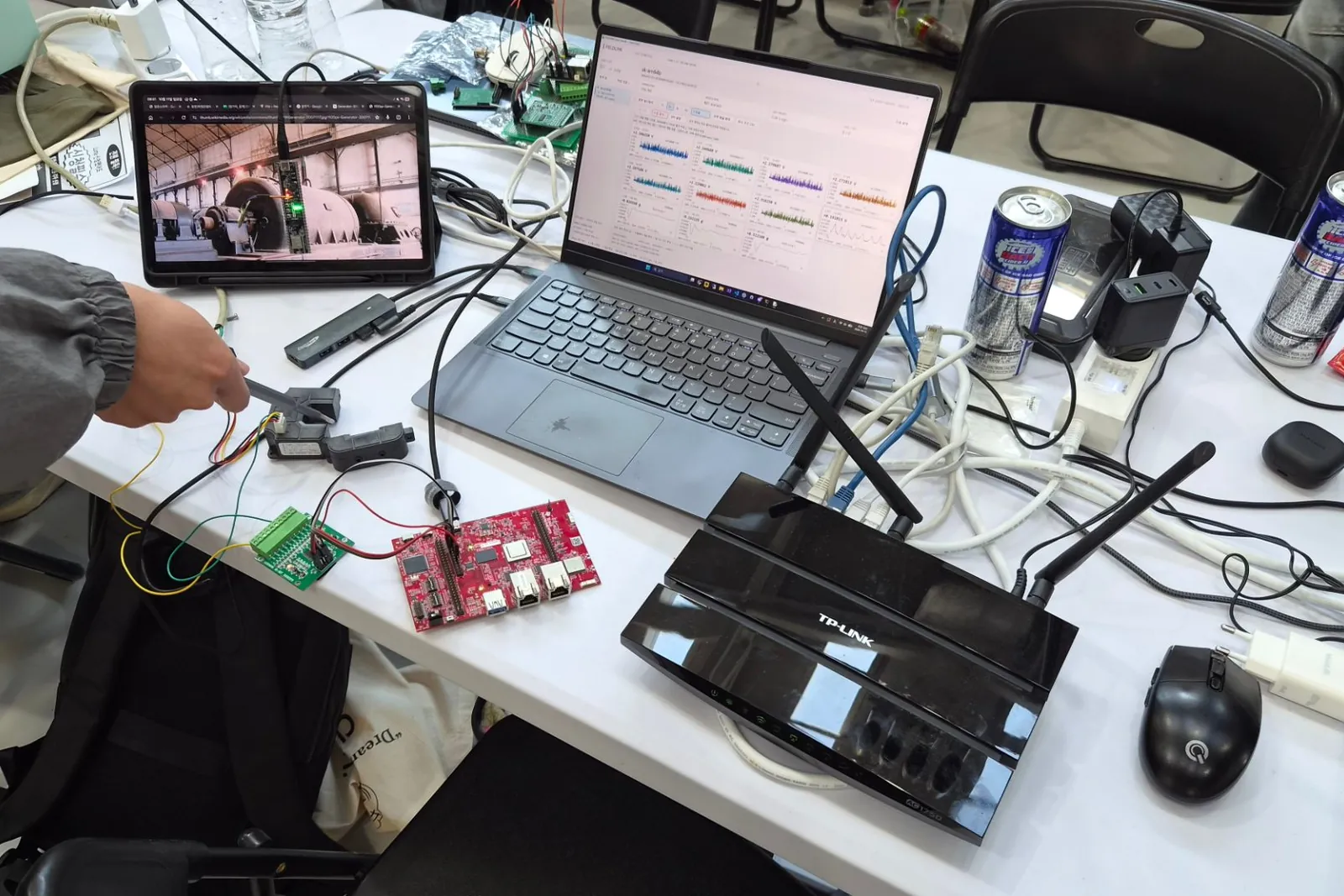
14 teams built on ClikaRT over the weekend. The hardware was as mixed as we hoped: NVIDIA Jetsons, Qualcomm-based Arduino UNO Qs, Raspberry Pis, MacBooks, Intel and AMD laptops, and Samsung phones, some of them decidedly budget. The models were their own and off the shelf: vision, audio, language, multimodal. The point of the weekend, for us, was that none of these teams spent their night getting AI onto their device. They spent it on the problem.

What they built
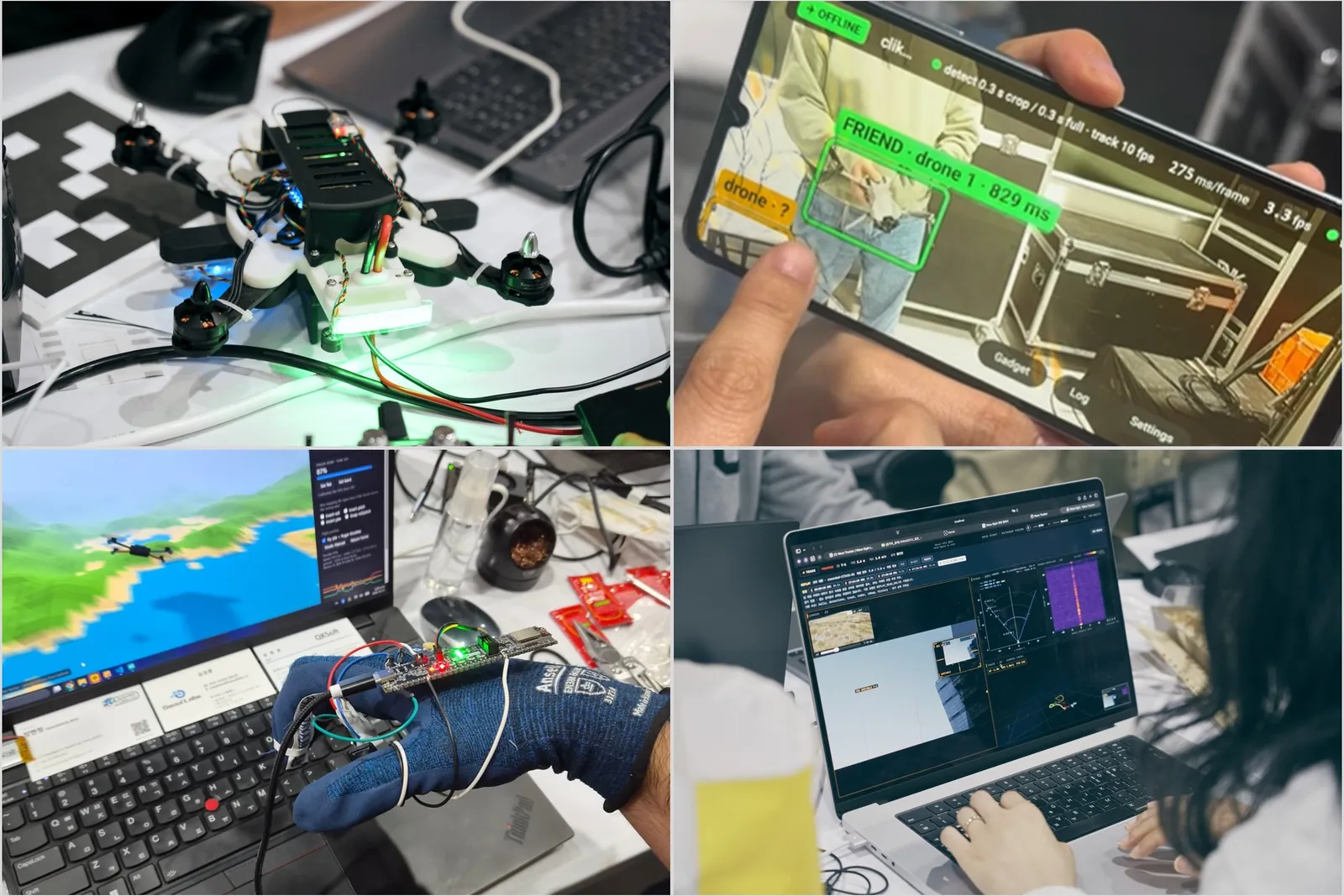
A few of the projects, straight from the showcase:
- FriendOrFoe (track winner): on-device drone detection plus a cryptographic friend-or-foe check. The detection model runs through ClikaRT on a budget Galaxy A06, fully offline in airplane mode.
- FFD (Special Challenge winner): a squad-level drone locator that fuses signal strength from four cheap receiver nodes. A Microsoft Phi model runs through ClikaRT on an Arduino UNO Q to predict the drone’s path, with no network anywhere in the loop.
- VARDS-W1 (Special Challenge winner): a distributed acoustic and vibration sensing net that detects small drones and triangulates their position, analyzed offline on low-cost nodes.
- SPACEMAP (track semifinalist): Wi-Fi sensing that estimates where people are, and how they are posed, through walls. The same pose model ran through ClikaRT on a Raspberry Pi and on a Mac.
One team’s demo made our case better than we could. Their field sensor hub normally sends questions to a remote GPU server and falls back to a local LLM served by ClikaRT when the link dies. Mid-pitch, the venue Wi-Fi dropped. The fallback kicked in, and the demo never stopped.
What we learned
A hackathon is also a stress test, and we took notes. Teams asked for backends we don’t cover yet, found rough edges we have since filed, and pushed the runtime onto hardware we hadn’t prioritized. All of it feeds directly into the platform release we are preparing. That trade, 24 hours of real usage for a list of things to fix, is exactly why we sponsored.
Closing
Congratulations to every team that shipped something real in a weekend, and thank you to D4D and the European Defense Tech Hub for building the room. If you want to see what the teams built, the full showcase is at d4d.tech/showcase. If you want your AI running on your own devices, the docs are at docs.clika.io.
One runtime for every machine you own.
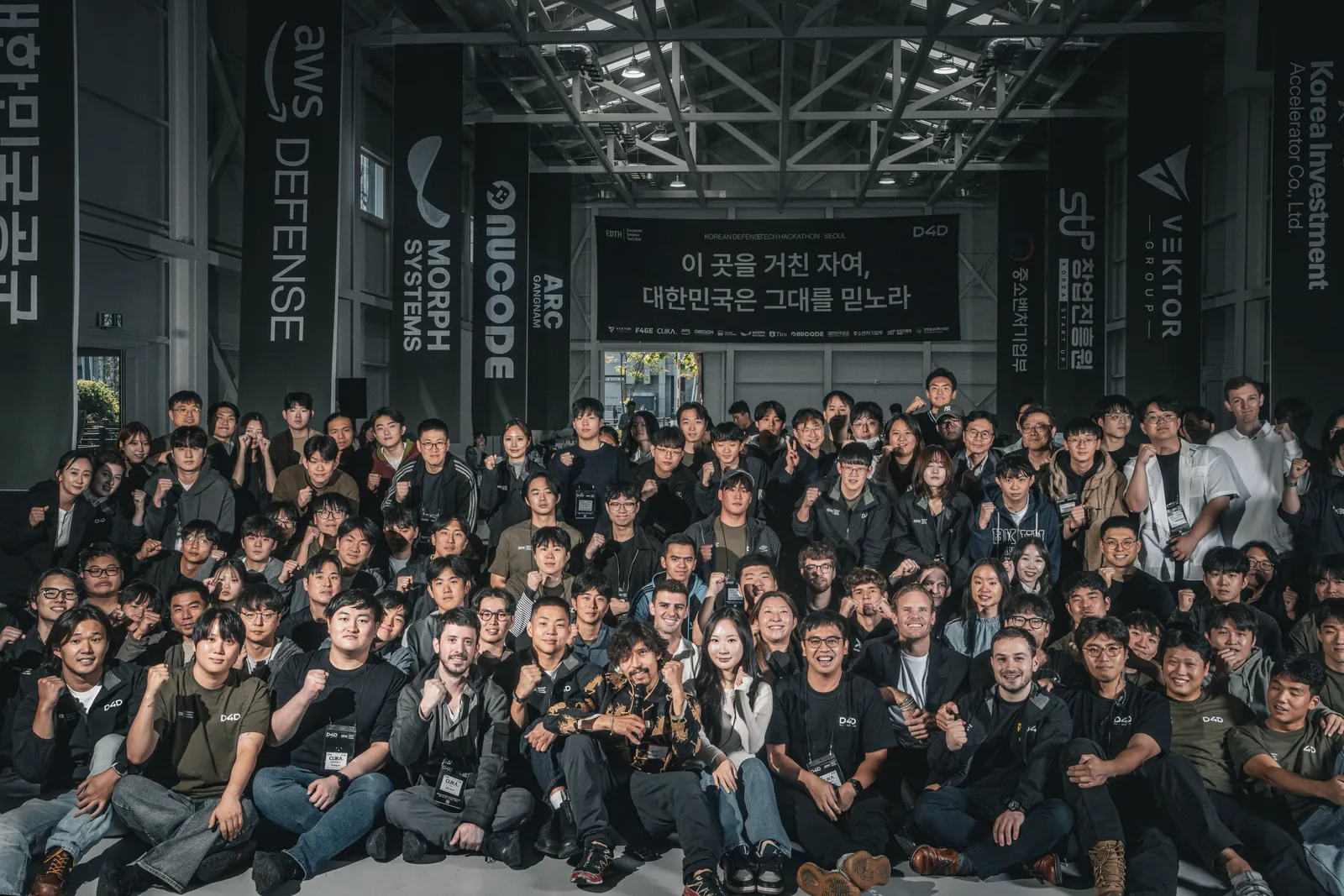
Event: Korea Defense Tech Hackathon (D4D × EDTH) [luma.com/d4d_edth]
Explore more blogs